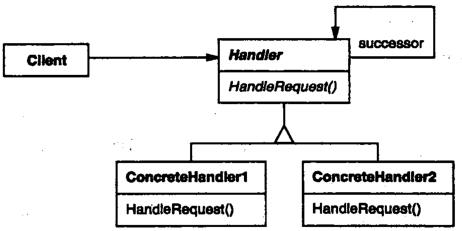
abstract class Account {
  protected successor: Account | null = null;
  protected name = "account";

  constructor(protected balance: number) {}

  setNext(account: Account): void {
    this.successor = account;
  }

  pay(amount: number): void {
    if (this.balance >= amount) {
      console.log(`Paid ${amount} using ${this.name}`);
    } else if (this.successor) {
      console.log(`Cannot pay using ${this.name}. Proceeding...`);
      this.successor.pay(amount);
    } else {
      console.log("None of the accounts have enough balance");
    }
  }
}

class Bank extends Account {
  protected name = "bank";
}
class Paypal extends Account {
  protected name = "Paypal";
}
class Bitcoin extends Account {
  protected name = "bitcoin";
}