class Computer {
getElectricShock() {
console.log("Ouch!");
}
makeSound() {
console.log("Beep beep!");
}
showLoadingScreen() {
console.log("Loading..");
}
bam() {
console.log("Ready to be used!");
}
closeEverything() {
console.log("Bup bup bup buzzzz!");
}
sooth() {
console.log("Zzzzz");
}
pullCurrent() {
console.log("Haaah!");
}
}
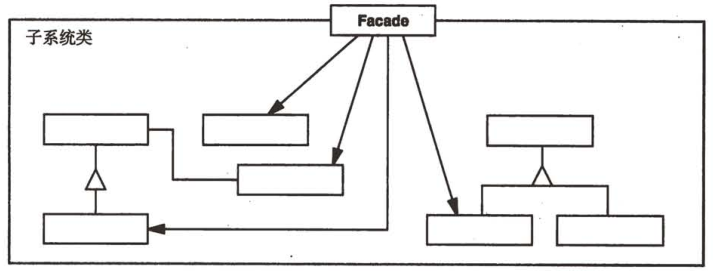
class ComputerFacade {
constructor(protected computer: Computer) {}
turnOn() {
this.computer.getElectricShock();
this.computer.makeSound();
this.computer.showLoadingScreen();
this.computer.bam();
}
turnOff() {
this.computer.closeEverything();
this.computer.pullCurrent();
this.computer.sooth();
}
}